If more space is at the top of your wish list, Oakland Township often stands out for a reason. In 48363, acreage living can mean a quieter setting, room to spread out, and daily access to a landscape shaped by woods, trails, wetlands, and preserved open space. If you are wondering what life on a larger parcel actually feels like here, this guide will walk you through the setting, the lot sizes, the lifestyle, and the practical details that matter most. Let’s dive in.
Oakland Township at a Glance
Oakland Township is an established residential community in northeastern Oakland County with a distinctly lower-density feel than many nearby suburban areas. The township describes itself as a rural, wooded residential bedroom community on the outskirts of Metro Detroit.
That character shows up in the numbers too. The 2020 Census counted 20,067 residents across 36.27 square miles, which works out to about 553.3 people per square mile. Recent Census data also shows a 94.2% owner-occupied housing rate, a median owner-occupied home value of $588,900, a median household income of $166,538, and an average commute time of 28.2 minutes.
For many buyers, that mix is the appeal. You get a community that feels spacious and established, while still staying connected to the larger Rochester area and Metro Detroit routes.
What Acreage Parcels Tend to Look Like
Acreage living in Oakland Township is shaped by zoning that emphasizes open space, rural character, and preservation of natural features. That means larger lots are not just a coincidence here. They are part of how the township is planned.
In the township’s very low-density and low-density residential districts, minimum lot sizes are substantial. In the VLRD district, the minimum lot size is 100,000 square feet without sewer or 75,000 square feet with sewer. In the LRD district, the minimums are 60,000 square feet without sewer or 45,000 square feet with sewer.
The RD district requires 4-acre lots. Lot coverage standards are also kept low, which helps preserve the open feel that many buyers are looking for when they search for land in Oakland Township.
Why Larger Lots Feel Different
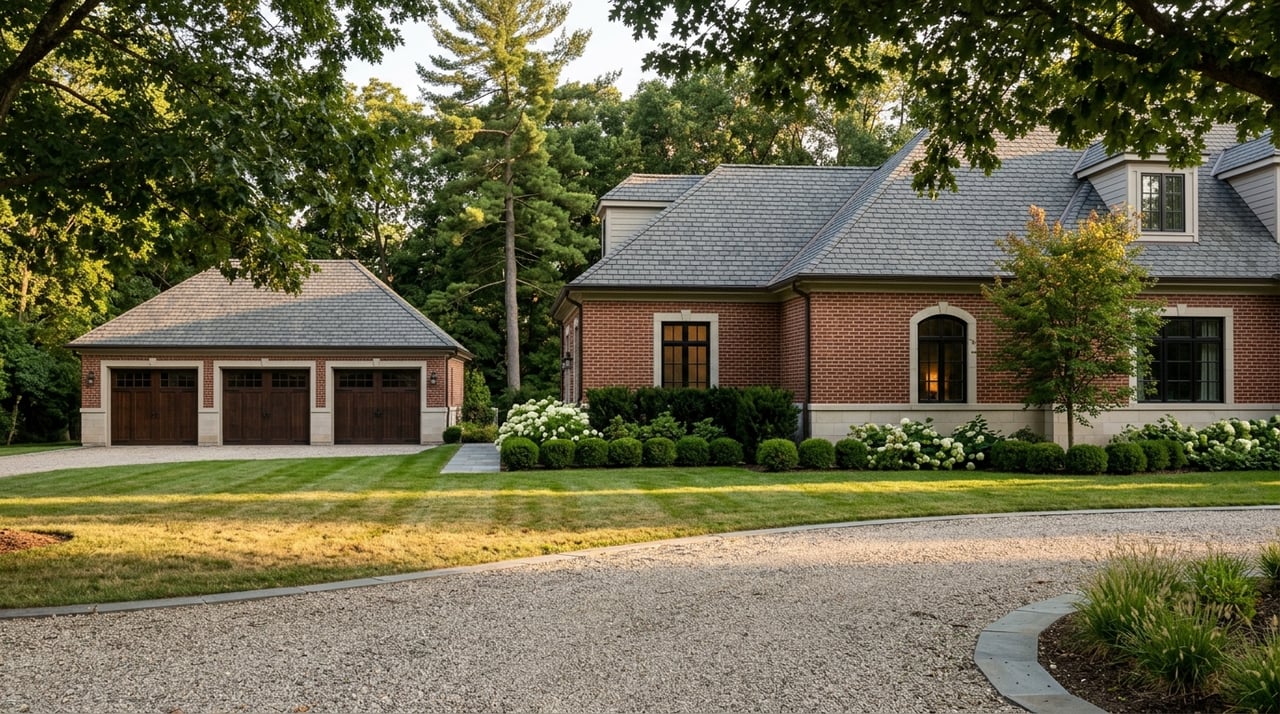
A larger parcel usually changes how a property lives day to day. You may have more separation from neighboring homes, a longer driveway, more visible tree cover, and a greater sense of openness around the house.
In practical terms, these lot standards can also allow space for features like detached garages, sheds, pools, or other outbuildings, depending on the specific property and approvals. Even so, more land does not mean no rules. Detached accessory buildings over 200 square feet and pools deeper than 2 feet require township permits.
A Rural Feel With Metro Access
One of the biggest draws of Oakland Township is that acreage living here does not mean feeling cut off. The township’s master plan notes that I-75 and M-24 are nearby, and Rochester and Adams Roads serve as the main north-south corridors.
That makes it easier to balance a more private home setting with everyday errands, commuting, and access to surrounding communities. Census data also shows a 97.4% household broadband subscription rate, which is another practical reminder that larger-lot living here can still support connected day-to-day life.
For buyers relocating from a more traditional subdivision, this balance is often what makes Oakland Township stand out. You can enjoy more land and a quieter setting without giving up convenience altogether.
Nature Is Part of the Lifestyle
In Oakland Township, acreage living is not only about the lot itself. It is also about the land around you.
The township’s parks and recreation system includes more than 1,500 acres across 16 parks, along with several greenspaces and the Paint Creek Trail. Residents have access to walking, hiking, biking, horseback riding, and nature viewing in settings that support the township’s rural and wooded identity.
Trails and Preserved Open Space
The Paint Creek Trail runs 8.9 miles through Rochester, Rochester Hills, Oakland Township, Orion Township, and the Village of Lake Orion. The township notes that it was Michigan’s first rail-to-trail project when it opened in 1983.
Watershed Ridge Park in 48363 includes 1.4 miles of trails through special natural areas. That means even if your own property gives you room to breathe, there are also public places nearby where you can enjoy the broader landscape.
Natural Areas That Shape the Setting
Several local parks help define the character of the township. Blue Heron Environmental Area spans 139 acres and includes wetlands, lowland and upland forests, open farmlands, prairie plantings, and wetland restorations.
Stony Creek Ravine Nature Park and its conservation easement cover 268 acres of stream valley, oak forests, prairie plantings, restored wetlands, and a post-glacial landscape. It also offers nearly two miles of trails and a planned connection to Stony Creek Metropark.
Bear Creek Nature Park protects 107 acres of rolling hills between Snell and Gunn Roads. Together, these spaces show that Oakland Township’s acreage appeal is tied to preserved habitat, wooded views, creeks, hills, and open land, not just a bigger yard.
Can You Keep Horses or Hobby-Farm Uses?
This is one of the most common questions buyers ask when they start looking at larger parcels. In Oakland Township, the answer is sometimes yes, but it depends on the property’s zoning and required approvals.
The township ordinance permits agriculture and farm buildings in low-density districts. It also lists a stable or riding academy as a special land use, which means some equestrian-style uses may be possible where zoning and site conditions allow.
This is why parcel-specific due diligence matters so much. Two homes may both sit on large lots, but what you can actually do with the land may differ based on district, utility setup, site conditions, and township approvals.
The Day-to-Day Reality of Maintaining More Land
Acreage living often sounds dreamy, and for many homeowners it truly is. Still, it comes with more hands-on responsibility than a smaller suburban lot.
In Oakland Township, curbside trash pickup is the homeowner’s responsibility. Public roads are maintained by the Road Commission for Oakland County, and the township offers free burn permits for approved burning.
You may also need to think more carefully about utility setup. The township notes that water services are not managed by the township, and building materials indicate that some parcels may involve private wells, septic permits, or county water-system contacts depending on the property.
What to Expect Before Improvements
If you want to build, expand, or add structures later, planning ahead matters. The township requires plans for all residential construction, and residential and commercial permits typically take 4 to 6 weeks.
That timeline can be especially important on acreage properties, where buyers may hope to add a barn, larger garage, shed, pool, or other site improvements after closing. Inspections are scheduled Monday through Thursday, which is another practical detail worth knowing early.
Privacy, Space, and Trade-Offs
For many buyers, the biggest benefit of acreage living is simple: more breathing room. Because Oakland Township’s low-density districts are designed around large lots, open space, and limited unrelated traffic, properties often feel more private than a standard subdivision setting.
That said, larger parcels usually come with trade-offs. You may have more lawn or wooded areas to care for, more permitting to manage for future improvements, and more details to verify during the buying process.
The right fit depends on what matters most to you. If you value land, a quieter setting, and strong access to trails and preserved natural areas, Oakland Township can offer a lifestyle that is hard to duplicate in more densely built neighborhoods.
What Buyers Should Verify Early
When you are considering acreage in Oakland Township, a few questions should move to the top of your list right away.
- What is the exact zoning district for the property?
- Is the home served by sewer, or will septic requirements apply?
- Is there a private well, or another water arrangement?
- Are there existing permits for accessory structures or pools?
- If you want horses, hobby-farm uses, or outbuildings, what approvals would be required?
- How much ongoing land maintenance will the parcel realistically need?
These details can shape both your budget and your long-term enjoyment of the property. They are also the kinds of issues worth sorting out early so you can focus on the homes that truly match your goals.
If you are exploring acreage living in Oakland Township, having a local guide can make the search much clearer. I can help you compare property setups, think through lot use and resale value, and narrow in on homes that fit the lifestyle you actually want. When you are ready, reach out to Gina Virgona Rewold for a personalized home consultation.
FAQs
What does acreage living in Oakland Township usually mean?
- It usually means a home on a larger parcel in a low-density setting with more open space, a more rural wooded feel, and closer access to natural areas and trails than you may find in a typical subdivision.
What are common lot sizes for acreage homes in Oakland Township?
- Lot size depends on the zoning district, but township minimums range from 45,000 square feet with sewer in some low-density districts up to 4-acre minimums in the RD district.
Can you have horses or hobby-farm uses in Oakland Township?
- Sometimes. The township permits agriculture and farm buildings in low-density districts, and a stable or riding academy is listed as a special land use, but what is allowed depends on the specific parcel and approvals.
Do Oakland Township acreage homes need well or septic review?
- Yes. Township building materials indicate that some parcels may involve private wells, septic permits, or county water-system contacts, so utility setup should be verified early in the process.
Is Oakland Township acreage living still convenient for commuting?
- It can be. The township notes that I-75 and M-24 are nearby, Rochester and Adams Roads are major corridors, and recent Census data shows an average commute time of 28.2 minutes.
What maintenance should buyers expect with an acreage property in Oakland Township?
- You should expect more self-directed upkeep, which may include land care, trash service arrangements, and planning for permits if you want to add structures, pools, or other improvements later.